Garden Clearance in Knightsbridge

Garden clearance in Knightsbridge should leave outdoor space tidy, usable and ready for whatever comes next, whether that means a seasonal refresh, a complete tidy-up after overgrowth, or the removal of bulky green waste that is too awkward to manage alone. We handle the lifting, sorting and loading involved in clearing outdoor materials so that the job is completed in a structured, practical way. The focus is on clearing space safely, separating reusable and recyclable material where appropriate, and leaving the garden area easier to maintain.
Our service covers common garden clearance tasks such as cuttings, branches, leaves, old plant material, broken garden items and other general outdoor clutter. Where access is limited or the space contains mixed materials, we work methodically so the clearance stays orderly from start to finish. Clearance is often most effective when waste is grouped by type, because that makes loading simpler and helps avoid unnecessary disruption. If you are planning a clearance and want a clearer idea of scope, you can request a quotation once you know what needs removing.
For customers comparing options, it helps to think about whether the work is a light tidy, a heavy clearance or a mixed job that includes both green waste and unwanted outdoor items. That difference affects the amount of labour involved, the time needed for loading and the method used for sorting. We can discuss the most suitable approach once the main contents of the garden are known. Make a note of the larger pieces first, then decide what should go, what should stay and what may need special handling.
Garden waste and green clearance
Green waste clearance is one of the core parts of this service. It typically includes hedge trimmings, grass cuttings, branches, leaves, roots, old compost, dead plants and seasonal debris that builds up in borders, beds and paths. When this material is collected together, it can be removed in a single planned clearance rather than piecemeal handling. That is useful when a garden has become difficult to walk through or when plant waste is mixed with a broader outdoor tidy-up.
Not every garden clearance is purely green waste. Some jobs also involve disused pots, damaged planters, worn decking offcuts, faded ornaments, broken trellis, rusted frames or weathered outdoor accessories. We can work through these items alongside the softer green material so the area is cleared in a consistent way. If a garden includes items that need separate treatment, we keep the job organised rather than treating everything as one undifferentiated pile.
For customers who want to understand the process before they enquire, it is helpful to decide whether the clearance is primarily about the plant growth or about removing a mixture of growth and general clutter. That simple distinction makes it easier to describe the work accurately and choose the right service level. If you are ready to move on, the next step is straightforward: tell us what needs clearing and we can quote accordingly.
Mixed outdoor items and hard landscaping debris

Garden clearance often extends beyond foliage. Many outdoor spaces contain a practical mix of material that has built up over time, including old timber, plastic containers, broken fencing pieces, damaged edging, paving offcuts, tired furniture and other unwanted items stored outside. Clearing these items together can restore order quickly, especially where a space is being prepared for repairs, redesign or ordinary upkeep. We sort the load with the aim of keeping the work controlled and efficient.
Harder garden materials can present different handling considerations from light organic waste. Soil-heavy items, slabs, heavy pots or compacted debris may require more careful lifting and stacking than cuttings or leaves. A good clearance plan takes account of what is straightforward to move and what needs a more measured approach. In mixed jobs, the practical value lies in separating the different materials early so the clearance remains manageable and the garden is left in better condition.
There is also a difference between clearing a space and overworking it. A useful clearance should remove only the items that the customer wants gone and leave the remaining layout intact where possible. That is why a clear description of the contents matters. If you are comparing services, look for one that treats the garden as a whole environment rather than simply as a pile of waste. For many customers, that means a cleaner result with less disturbance.
Preparing a garden clearance
Preparation is usually simple, but it does help the process if the customer can identify the main categories of waste before the work begins. A short list of the largest items, the bulkiest piles and any awkward access points is often enough to make the quotation more accurate. Photographs can also be useful where the garden is long, shared, stepped or partially hidden by stored items. These details help describe the work, especially when the space contains different materials that will need separating.
It is equally helpful to note anything that should stay in place. Pots, furniture, ornaments, tools, edging or decorative pieces may all be present in the same area as unwanted material, so a quick review before the clearance reduces confusion. We aim to work in a practical way that respects what is being kept and what is being removed. If the garden is tight, split into sections or accessed through the property, that should be mentioned at the same time as the waste type.
When you are ready, keep the request simple: what the garden contains, how much of it there is, and whether you want a partial or full clearance. Accuracy at this stage makes the quotation easier to match to the actual job. You do not need a full inventory to begin, but the more specific the description, the clearer the response can be. A brief written summary is often enough to get the process moving.
What shapes the quotation
The price of a garden clearance depends on practical factors rather than on a one-size-fits-all formula. Volume is important, but so is the weight, the mix of materials, the ease of access and the amount of sorting required. A small pile of cuttings is very different from a garden full of branches, broken outdoor fittings and heavy pots. Where the work includes a combination of material types, the quotation needs to reflect the full labour involved in collecting and loading them.
Access can also affect the plan. A clear route through a side passage, rear gate or driveway may make the work simpler, while narrow steps, shared paths or longer carries may require more time and care. If items have to be moved through the house or around delicate planting, that should be taken into account from the start. The most useful quotation is one that reflects the real conditions rather than just the rough appearance of the garden from a single angle.
For many customers, the most important question is not simply how much waste there is, but what the clearance includes and what remains after the job is done. A useful quote should make that scope easy to understand. If you want to move forward, send the main details together and ask for a quotation that matches the garden as it actually stands.
Extra outdoor spaces and related clearances
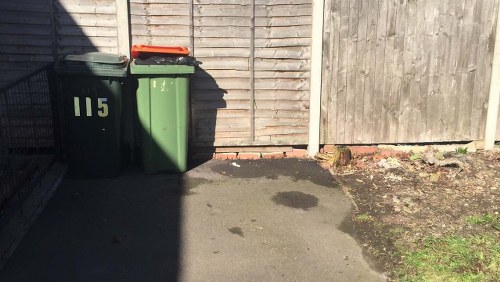
Some garden clearances are part of a wider property project. You may be dealing with a front garden, rear garden, side return, courtyard, roof terrace or small enclosed outdoor area that contains a mixture of green waste and stored items. In those situations, the service needs to be flexible enough to deal with the garden itself while also handling the associated clutter. Our approach is to keep the work specific to the space in question, so the clearance remains focused and proportionate.
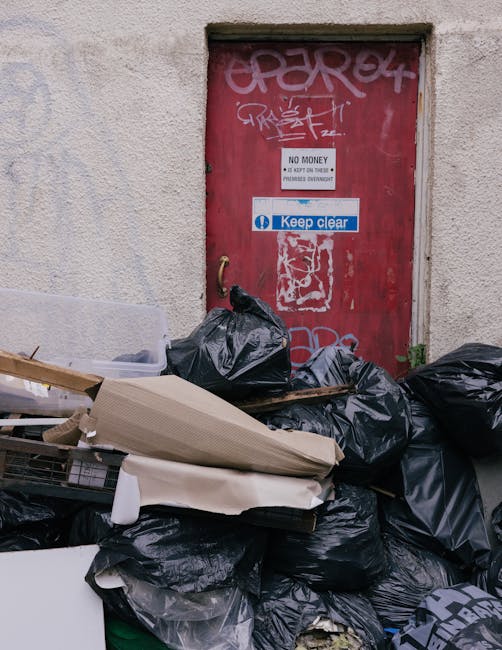
Related spaces can also include sheds, storage corners, paths and outdoor recesses where waste tends to collect. These areas often hide a surprising amount of material: bagged waste, loose branches, old containers, broken tools or items that were left temporarily and never returned indoors. Clearing them properly can make the whole exterior feel more ordered. If there are separate zones, it is often easiest to describe them in sequence so the quotation covers all the relevant parts.
Where the work is broader than a single garden bed or lawn edge, a sensible clearance plan breaks the job into manageable sections. That approach helps avoid missed items and allows the right materials to be handled in the right way. It also makes it easier to decide whether the clearance should be completed as one visit or split into stages. Think in terms of areas, not just loose objects, because that usually gives a better picture of the task.
Garden clearance and waste handling
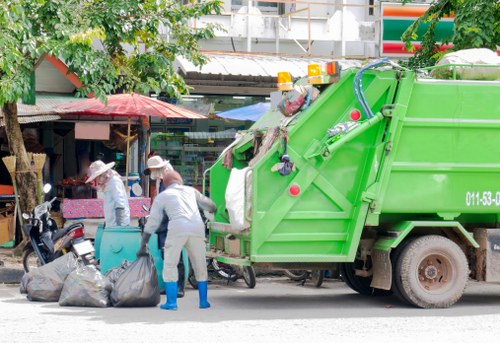
After the waste is gathered, the next stage is loading and removal. That sounds simple, but in practice it requires orderly handling so the garden is not left untidy while material is being moved out. We work through the waste in a logical sequence, keeping heavier pieces separate from lighter cuttings where that helps the process. The goal is to make the clearance efficient without losing sight of the conditions of the space itself.
There is often a useful distinction between waste that can be moved in bulk and waste that needs to be sorted first. Bags, bundles, branches and loose material behave differently when they are loaded, so the method should suit the contents. A carefully handled clearance reduces the chance of spillage, missed fragments or unnecessary back-and-forth. It also allows the service to adapt when the garden contains a mix of fresh cuttings and older outdoor clutter.
For customers, the important decision is usually whether to treat the work as a one-off tidy or as a fuller clearance that covers all unwanted items in the space. Both can be sensible, but they serve different purposes. The first may restore order quickly after maintenance, while the second is better when the garden has accumulated several kinds of waste. If you are unsure which fits, a simple description of the contents is enough to start the conversation.
About Knightsbridge
Knightsbridge is an affluent district in central London, spanning parts of the Royal Borough of Kensington and Chelsea and the City of Westminster. It is closely associated with Knightsbridge itself, the busy road and area that links Hyde Park Corner with Brompton Road and farther west toward South Kensington. The neighbourhood is known for a dense mix of late Georgian, Victorian and later architecture, with terraced streets, mansion blocks and prominent commercial buildings standing alongside some of the capital’s most recognisable retail landmarks. Harrods is the best-known of these, but the wider district also includes luxury hotels, embassies, private members’ clubs and a number of high-value residential addresses.
The area sits beside Hyde Park and close to Hyde Park Corner, so green space is an important part of its local character even though much of Knightsbridge itself is built up. Brompton Road and Knightsbridge are major thoroughfares, while quieter side streets such as those around Ennismore Gardens and Hans Place show a more residential side of the district. The architecture varies from stucco-fronted terraces and mansion blocks to later apartment buildings and institutional premises, creating a layered streetscape that reflects different periods of London development. Cultural life is also nearby, with the Victoria and Albert Museum, the Natural History Museum and the Royal Albert Hall all within the broader South Kensington and Knightsbridge vicinity. The result is an area that combines transport links, historic urban form and strong commercial identity in a compact and highly distinctive part of the West End.
Additional clearance support
Although garden work is the main focus here, customers often need support with other outdoor or storage clearances at the same property. That may include a garage space, a loft access point, a shed corner or a side area where older items have been left for too long. Where these spaces are connected to the garden project, it can make sense to deal with them together, provided the scope is described clearly. Combining linked areas can reduce duplication and keep the property tidy as a whole.
The most practical approach is usually to list the spaces in the order they will be cleared and identify anything fragile, fixed or retained. If one area contains mainly green waste and another contains general household items, that distinction should be made clear so the work is properly planned. This is not about making the job complicated; it is about making the end result more reliable. Clear instructions save time on the day and help make the quotation more precise.
When the clearance includes several connected spaces, the main question is whether the work should be treated as one coordinated visit or separated into smaller parts. Both options can be appropriate, depending on the amount and type of material. If you would like a straightforward answer, ask for a quotation based on the actual mix of spaces involved. That is the simplest way to compare options and decide what best suits the property.
Garden clearance for changing plans
A garden often changes purpose over time. It may be being prepared for planting, improved for easier maintenance, emptied before landscaping or tidied after a period of inactivity. In each case, the clearance should support the next stage rather than just remove obvious rubbish. That means taking care with what is left behind, making sure the space is ready for further work and avoiding unnecessary disruption to the areas that will remain part of the garden.
For some properties, a partial clearance is the right choice because only one section has become cluttered. For others, the better option is to clear the entire outdoor area so the owner can start again with a cleaner, simpler layout. There is no single rule that fits every garden. The best approach depends on the condition of the space, the type of waste and the intended follow-up work. A clear description of those aims will usually point toward the right solution.
Where the next step involves planting, pruning, redesign or repair, the clearance should remove the items that would get in the way without leaving a trail of overlooked debris. That is why careful sorting matters. If the job is part of a wider change to the property, it is sensible to think beyond the obvious piles and consider the finer details of what should be removed versus what should remain.
Clear quotation steps
To request a quotation, it helps to keep the message focused on the essentials: the garden location, the kind of waste present, the amount involved and any access considerations. You do not need to produce a full technical description. A practical summary is enough for most enquiries, especially when the clearance is straightforward. If photographs are available, they can support the description, but they are not a substitute for explaining what actually needs to be taken away.
Once the scope is clear, the quotation can be shaped around the real work rather than around guesses. That is particularly useful for mixed clearances where the garden contains both organic material and larger outdoor items. Where there is uncertainty, it is better to mention it early than leave it until later. A brief call or written request that covers the main points usually leads to a cleaner estimate and fewer misunderstandings.
When you are ready, send the details and ask for a quotation. If the clearance is urgent or part of a bigger property tidy-up, say so plainly, along with the types of items involved. The more direct the request, the easier it is to match the service to the job. For many customers, that is the most efficient way to move from a cluttered outdoor space to a clearer one.
Practical choices for a cleaner result
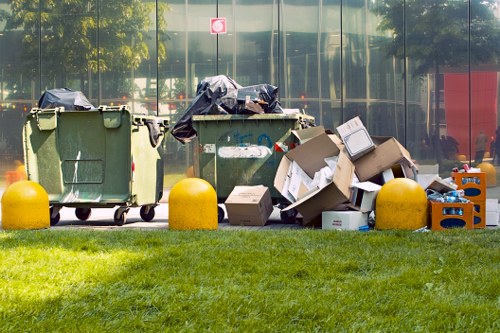
The best garden clearances are planned with the end use of the space in mind. A garden intended for planting needs different handling from one being prepared for general tidying or for the removal of stored outdoor materials. Choosing the right scope at the start helps avoid extra work later. It also makes it easier to decide whether the job should focus on green waste only or on a broader set of unwanted items that have accumulated outdoors.
Customers often find it useful to separate the visible waste into broad groups before asking for a quotation. For example, leaves and cuttings can be noted separately from branches, furniture, broken containers or old timber. That simple breakdown gives a better sense of the labour involved and makes the work easier to explain. A little structure at the enquiry stage usually leads to a more reliable result, especially when the space contains several different materials.
If you need garden clearance in Knightsbridge, the straightforward next step is to ask for a quotation based on the actual contents of the space. Use a clear description, mention any access limitations and note whether you want a partial or complete clearance. Request a quotation when you are ready to compare the options and decide how best to clear the garden.